Cognitive Wellbeing
Focus, resilience and performance are biological outcomes, shaped by how we design work. A neuroscience-grounded case, and a practical framework to act on it.
Read the frameworkIn many organisations, performance is still framed as a matter of productivity and output. When employees struggle to maintain focus or succumb to burnout, the response is often more tools, more training, or more pressure.
Yet decades of research in neuroscience and organisational psychology suggest something different:
Sustained performance is a biological function of cognitive wellbeing.
What is Cognitive Wellbeing?
We define Cognitive Wellbeing as the brain’s capacity to focus attention, regulate stress, process complex information, make sound decisions, recover from effort and undertake all background processes to keep us healthy and safe.
When this capacity is supported, performance follows. When it is depleted, even highly capable individuals struggle.
What does resilience mean for the brain?
While often misunderstood as simply “bouncing back,” true resilience is the brain’s ability to remain in an offensive mode where it can adapt and innovate, rather than falling into a defensive mode where the brain prioritises energy conservation and protection.
The brain has the surplus to think, create and solve.
The brain rations energy just to get through the task.
Today’s knowledge workers face constant digital interruption, prolonged sedentary work, and continuous cognitive demands, (often at the expense of lifestyle habits that enable health and high performance) much of which is at odds with the world in which the brain evolved to operate. Many thousands of years ago humans developed in settings with physical movement, natural foods, sleep patterns aligned with nature, limited information flow, and relatively stable social structures. This mismatch creates cognitive overload, forcing the brain to stay in a defensive, low performance state just to survive the task at hand.
- Physical movement
- Natural foods
- Sleep aligned with nature
- Limited information flow
- Stable social structures
- Constant digital interruption
- Prolonged sedentary work
- Continuous cognitive demands
What is body budgeting?
To bridge the gap between wellbeing and work, we must look at what neuroscientist Lisa Feldman Barrett calls “Body Budgeting.” Just like a financial ledger, the brain constantly manages the body’s energy resources, balancing physiological deposits (rest, movement, social safety) and withdrawals (sustained stress, domestic anxiety, interruptions and constant task switching).
If the brain operates in a constant deficit, it cannot sustain high-level focus or emotional regulation. Building a truly resilient workforce therefore requires moving beyond surface-level wellness to recognise a simple reality, employees have one finite “body budget.” The demands of home and work draw from the same brain, with personal stressors directly depleting the energy needed for performance. Managing this effectively means addressing the Body Budget across three interconnected layers.
AWA’s Performance Framework: what drives cognitive performance at work?
Over the past decade our research on Cognitive Wellbeing has identified several factors linked to knowledge-worker performance and productivity. These factors operate across three interconnected layers in AWA’s Performance Framework.
- Sleep
- Nutrition
- Hydration
- Movement
- Social cohesion
- Information sharing
- Goal clarity
- Light
- Thermal comfort
- Noise
- Interruptions
When these three layers are aligned, organisations and individuals can create the conditions for sustained focus, resilience, and high performance.
| Layer | Theme | Name | Position | What it covers | Factors |
|---|---|---|---|---|---|
| 01 | Lifestyle | The Individual Brain | Innermost, sits inside the Collective Brain | The biological foundations of cognitive capacity. | Sleep, Nutrition, Hydration, Movement |
| 02 | Culture | The Collective Brain | Middle, contains the Individual Brain and sits inside the Workplace Environment | How teams coordinate thinking and attention. | Social cohesion, Information sharing, Goal clarity |
| 03 | Environment | The Workplace Environment | Outermost, contains both the Collective and Individual brains | The physical conditions that support or undermine focus. | Light, Thermal comfort, Noise, Interruptions |
The Individual Brain
While AWA’s cognitive fitness model includes thirteen factors, four biological inputs consistently emerge as foundational to cognitive capacity: sleep, nutrition, hydration, and movement.
This is the layer where individuals have the greatest degree of influence, as it encompasses factors within their direct control and daily choices. While organisations can support and enable some of these behaviours, the primary responsibility and opportunity for impact sits with the individual.
Sleep: The Foundation of Cognitive Performance
Matthew Walker · Sleep scienceSleep is one of the brain’s most important recovery processes. During sleep, neural systems consolidate memory, regulate hormones, and restore cognitive resources required for attention and emotional regulation.
Research led by sleep scientist Matthew Walker has demonstrated that sleep deprivation significantly impairs executive function, including decision-making, working memory, and creative problem-solving (Krause et al., Nature Reviews Neuroscience, 2017).
In the workplace, insufficient sleep is not a minor personal inconvenience; it is a performance and health risk.
Leaders operating under sleep deprivation are more likely to rely on habitual thinking, misjudge risk, and prioritise urgent tasks over strategic ones.
Yet in many organisational cultures, long hours and constant availability remain signals of commitment with a “hustle culture” that treats sleep deprivation as a badge of honour. Organisations can embed recovery into the way work happens formalising a right to disconnect after hours, adopting default 50-minute meetings to allow built-in recovery, and protecting no meeting windows during lunch hours.
Protecting sleep and restoration therefore becomes a performance strategy, not a lifestyle luxury. Consistent sleep schedules and reduced evening stimulation help sustain the cognitive resources required for complex work.
Nutrition and Hydration: Fuelling the Brain
Research in nutritional neuroscience shows that irregular eating patterns and unstable glucose levels impair attention, memory, and information processing. Long gaps between meals can narrow mental bandwidth and increase error rates.
Hydration is equally important. In two University of Connecticut studies, losing about 1.5% of normal body water caused difficulty concentrating, fatigue and lower mood. In men it also reduced vigilance and working memory (UConn Today, 2012; Ganio et al., British Journal of Nutrition, 2011).
For knowledge workers whose primary asset is cognitive capacity, regular nutrition and hydration act as performance stabilisers. Consistent meals, balanced nutrition, and steady hydration help maintain a positive energy surplus the brain requires to sustain attention and mental clarity throughout the day.
Leaders in organisations can set the tone by normalising breaks, hydration, and eating as part of performance, not as time away from work, creating an environment where fuelling the brain becomes easy, consistent, and aligned with how high-performance works.
Movement and Exercise: Supporting Mental Energy
Wendy Suzuki · NeuroscienceModern work is cognitively demanding but physically static. Prolonged sitting reduces blood flow and oxygen delivery to the brain, contributing to mental fatigue and declining attention.
Research by neuroscientist Wendy Suzuki shows that regular physical activity improves memory, executive function, and emotional regulation (Basso and Suzuki, Brain Plasticity, 2016). Exercise stimulates neurochemical processes that enhance learning and cognitive flexibility and improves sleep quality.
Even short bouts of activity can restore attentional capacity. Brief movement breaks, walking meetings, or moderate aerobic exercise before cognitively demanding work can measurably improve focus and problem-solving.
Instead of treating exercise as something that happens outside the workday, leaders can model behaviours, if for example, a leader normalises “Walk and Talk” sessions for 1:1s. it gives the rest of the organisation psychological permission to do the same, supporting movement as a biological input into cognitive performance.
As noted, balancing the “body budget” begins with biological essentials like sleep, nutrition, hydration, and movement, these act as critical “deposits”. In contrast, stress, cognitive overload, and insufficient recovery create deficits. When deficits accumulate, the brain shifts from optimising performance to conserving energy.
Personal Agency and Cognitive Capacity
James Clear · Atomic HabitsThe biological foundations of cognitive wellbeing are shaped largely by everyday habits. Small, consistent adjustments in sleep, nutrition, hydration, and movement can significantly influence how effectively individuals think, decide, and perform.
Research on habit formation underscores how powerful these small changes can be. In Atomic Habits, author James Clear explains that lasting behavioural change rarely comes from dramatic effort, but from the accumulation of micro-habits: small, repeatable actions that compound over time. Protecting sleep routines, taking short movement breaks, or maintaining regular nutrition patterns gradually shape the brain’s energy budget and cognitive capacity.
But individual health alone does not determine workplace performance.
Even cognitively healthy individuals struggle in systems that create unnecessary cognitive overload. This brings us to the second layer of cognitive wellbeing.
The Collective Brain
Workplace performance is rarely solitary; it emerges from the Collective Brain. In a team setting, social dynamics are either “taxes” or “subsidies” on the individual’s Body Budget. Most knowledge work is collaborative, meaning performance emerges from how well teams coordinate their thinking. Teams function as interconnected systems, where information, attention, and problem-solving are shared across individuals.
Organisational psychologists including Amy Edmondson have shown that the quality of these social dynamics strongly influences learning, innovation, and performance.
Our research on knowledge-based industries identifies several factors that influence productivity, three are particularly relevant in the second layer of the Collective Brain: social cohesion, information sharing, and clarity of goals.
Social Cohesion: Reducing Cognitive Threat
Human brains are highly sensitive to social threat.
When trust is low or belonging feels uncertain, cognitive resources shift toward vigilance and self-protection.
In contrast, teams characterized by trust and psychological safety allow individuals to contribute ideas, challenge assumptions, and take calculated risks without fear of embarrassment or punishment.
High social cohesion reduces defensive monitoring and frees cognitive resources for collaboration, creativity, and problem solving, building a positive shared team ledger.
Leaders can strengthen cohesion through their own ‘social’ behaviour with peers and simple practices such as establishing team norms, encouraging open dialogue and relationship building, and creating structured opportunities for familiarity and trust to develop.
Information Sharing: Enabling Collective Intelligence
Transactive memory systemsHigh-performing teams are effective at pooling knowledge and knowing who knows what. Research on transactive memory systems shows that teams perform better when members understand who holds expertise within the group.
When information flows easily, teams make better decisions and avoid duplicating effort, these act as “subsidies” or “deposits” creating a healthy collective budget. Conversely, poor information management creates “taxes” that drain the collective budget.
Encouraging transparent communication, documenting knowledge, and clarifying roles helps teams function as coordinated cognitive systems rather than disconnected individuals.
Vision and Goal Clarity: Directing Collective Attention
Edwin Locke · Goal-settingAttention is finite, both individually and collectively. Without clear goals, teams default to urgency rather than what matters most.
Research by organisational psychologist Edwin Locke shows that clear, challenging goals improve performance, persistence, and motivation.
When teams understand both the broader vision and the specific outcomes expected of them, attention aligns, automatically lowering cognitive costs.
In summary, while individual cognitive capacity is funded through biological inputs such as sleep and nutrition, collective capacity is strengthened through structural clarity. Organisations that provide a clear vision are effectively “funding” their teams’ ability to sustain focus and resilience. But alignment at the individual and team level is not enough; performance is ultimately shaped by the environment in which work takes place.
This brings us to the final layer: the workplace environment.
The Workplace Environment
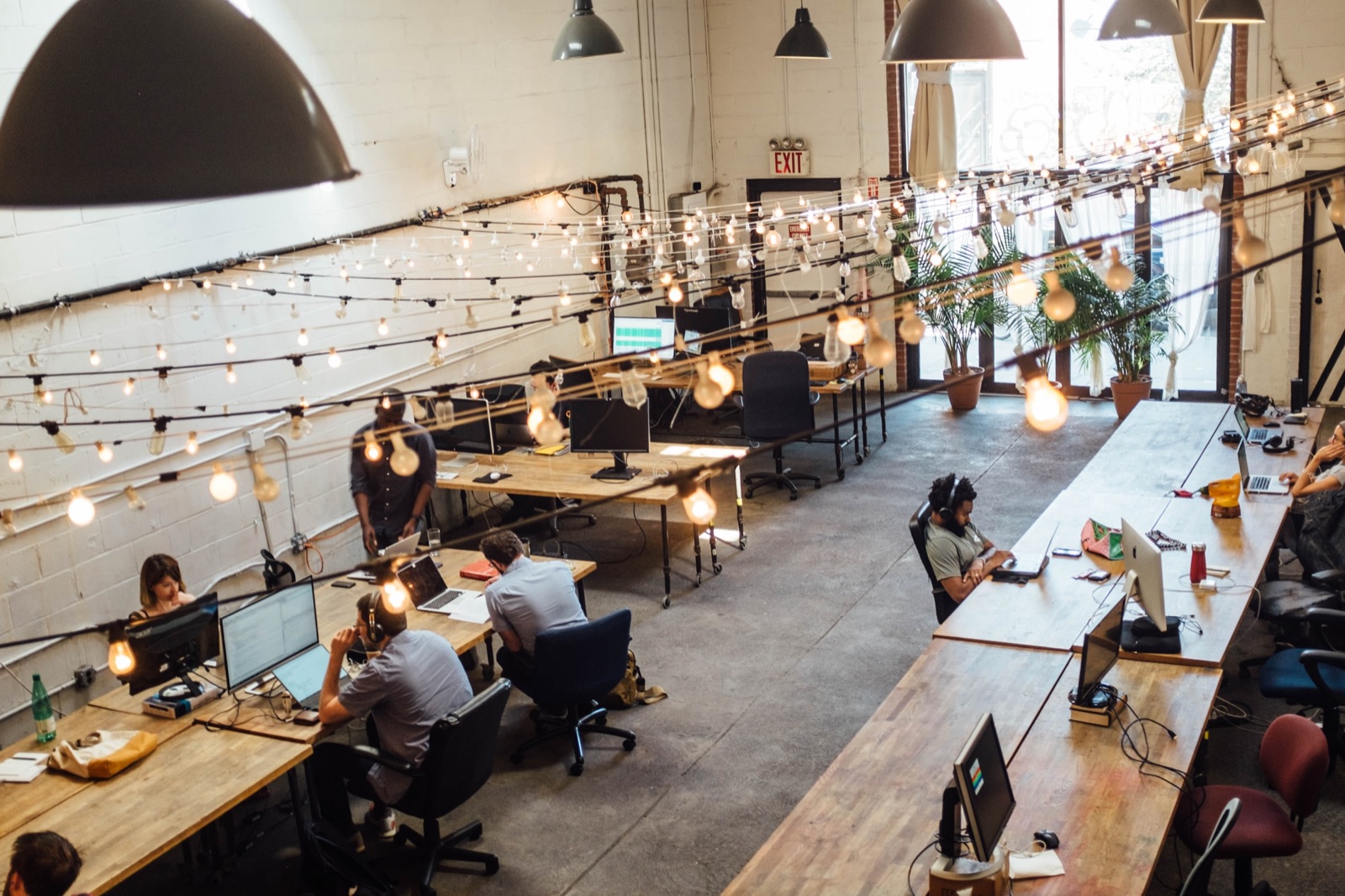
Even when individuals are cognitively healthy and teams function well, the physical and virtual workplace still can either support or undermine the body budget. This is because we are all different, with varying sensitivities to noise, temperature, humidity, and light. Any imbalance between an individual’s specific needs and their environment creates a ‘cognitive load’ as the brain is forced to spend energy filtering out the ‘load’ of the mismatched environment.
Light and Circadian Rhythms
Exposure to natural light regulates circadian rhythms that influence alertness, mood, and sleep quality. Workplaces with access to daylight and well-designed lighting systems are associated with improved wellbeing and productivity. When light isn’t right for the task in hand our brains consume energy in extra processing.
Thermal Comfort
Physical discomfort diverts attention away from cognitive tasks. Research on workplace productivity consistently shows that moderate, stable temperatures support better concentration and fewer errors. When we are too hot or cold our brains are expending unnecessary cognitive energy to keep us warm or cool us down.
Noise
The human brain is particularly sensitive to distraction from speech. Nearby conversations automatically capture attention, even when individuals attempt to ignore them. Studies of open-plan offices show that conversational noise can significantly impair working memory and task performance during cognitively demanding work. Once again, the mismatch between the brain’s evolutionary sensitivity to speech and the constant noise of the modern office directly results in cognitive losses. Our brains expend cognitive energy filtering out noise and the interruption leads to lost attention that takes time to recover from.
Workplaces that provide employees with ‘apps’ with information about the ambient status of spaces, whilst enabling choice and quiet spaces for focused work, can significantly improve the concentration of their workforce.
Interruptions and Attention Fragmentation
Perhaps the greatest challenge to cognitive performance is constant interruption.
In experiments by Rubinstein, Meyer and Evans, people lost time every time they switched between tasks, and lost more as the tasks grew more complex (APA Monitor on Psychology, 2001). Multitasking is often seen as a productivity skill, but it is rapid task switching that reduces accuracy, creativity, and depth of thinking.
Organisations that protect periods of uninterrupted work and clear norms around communication can help employees maintain the sustained focus required for complex work.
Designing for Cognitive Performance
Cognitive wellbeing is not simply an individual responsibility. It is a systemic outcome shaped by biology, social dynamics, and workplace design, all essential layers to support a healthy Body Budget, that together create a culture where resilience is the norm.
Organisations that address only one of these layers often see limited results. But when the individual brain, the collective brain, and the workplace environment are aligned, the effects compound, resilience grows and people thrive.
The future of work will be defined by how well leaders in organisations design conditions that allow human brains to maintain their “budgetary surpluses” required to perform at their best and focus their energy with pinpoint precision on the things that enable commercial or societal success.
A synthesis of sample insights
If you’ve made it this far, you’ve already taken an important step toward understanding cognitive wellbeing as a strategic priority. What follows is a brief synthesis of sample insights, along with actions organisations can take to translate them into impact. For leaders looking to deepen this work or explore how these principles align with their organisational goals, the conversation is just beginning.
- Protecting sleep: consistent routines, reduced stimulation, less caffeine/alcohol.
- Balanced nutrition: regular meals, steady hydration.
- Moderate movement: movement breaks, walking meetings, aerobic exercise and daily movement.
- Right to disconnect: no after-hours work emails.
- Meeting defaults: a 10-minute buffer between meetings.
- No lunch meetings: reserved for reprieve and social time, away from the desk.
- Personal awareness: bring your best-rested self to work; address Layer 1.
- Reduce cognitive threat: psychological safety, shared vision and goals, high social cohesion, clear established norms.
- Enable collective intelligence: transparent communication, documented knowledge.
- Direct collective attention: aligned outcomes, an attentional filter.
- Self-assess your environment: manage your home office, ergonomics and personalised space.
- Access to natural light and views.
- Quiet focus zones.
- Stable thermal comfort.
- Air quality.
- Established behavioural norms around interruptions in the office.
| Layer | Individual actions | Organisation actions | Outcome |
|---|---|---|---|
| Layer 1: Biological Energy (Body Budget) | Protecting sleep; balanced nutrition; moderate movement | Right to disconnect; meeting buffers; no lunch meetings | The brain remains in optimising mode, maintaining emotional regulation, focus and productivity |
| Layer 2: Social Energy (Trust & Cohesion) | Personal awareness; bring best-rested self | Reduce cognitive threat; enable collective intelligence; direct collective attention | Cognitive resources are redirected from self-protection to collaboration |
| Layer 3: Environmental Overhead (Office and Remote) | Self-assess environment, ergonomics, personalised space | Natural light; quiet zones; thermal comfort; air quality; interruption norms | Reduce the mismatch between environment and human needs to enable sustained focus |
Cognitive wellbeing: common questions
What is cognitive wellbeing?
Cognitive wellbeing is the brain’s capacity to focus attention, regulate stress, process complex information, make sound decisions and recover from effort. AWA treats it as the biological basis of sustained performance at work.
How does the workplace affect cognitive wellbeing?
Through four environmental factors in AWA’s Performance Framework: light, thermal comfort, noise and interruptions. Each one either protects or drains the brain’s energy for focused work.
How can employers support cognitive wellbeing?
By building recovery into work: a right to disconnect after hours, 50-minute default meetings, protected no-meeting lunch windows and walking one-to-ones led by managers.

Nathalie is a Senior Workplace Strategist delivering evidence-based advisory engagements across Canada. She supports organisations in aligning workplace strategy with business objectives, organisational culture, and evolving ways of working.
Nathalie holds a Bachelor of Science in Interior Design and has completed Business Strategy, Problem Solving, and Adaptability & Resilience certifications from McKinsey & Company. With over a decade of experience spanning workplace strategy, design research and complex project delivery, Nathalie brings a creative, analytical, and integrative approach to her work. She applies design thinking and research methodologies to understand organisational challenges, engage stakeholders, and develop tailored strategies that align people, space, and purpose.
Nathalie’s experience includes workplace and hybrid working strategies, global workplace guidelines, and portfolio optimisation engagements across Canada and the U.S. Nathalie previously worked at interdisciplinary design studios including Perkins+Will (U.S./Canada), DIALOG, and Arney Fender Katsalidis (Canada and UK), where she led the delivery of complex corporate, commercial, and educational environments.
At Advanced Workplace Associates (AWA), our research and client work continue to explore how organisations can design these conditions for cognitive performance at scale.